
Sub-Zero PRO 48 Case Story · 6 min read
The Cheapest Sub-Zero PRO 48 Repair I Wrote Up in May
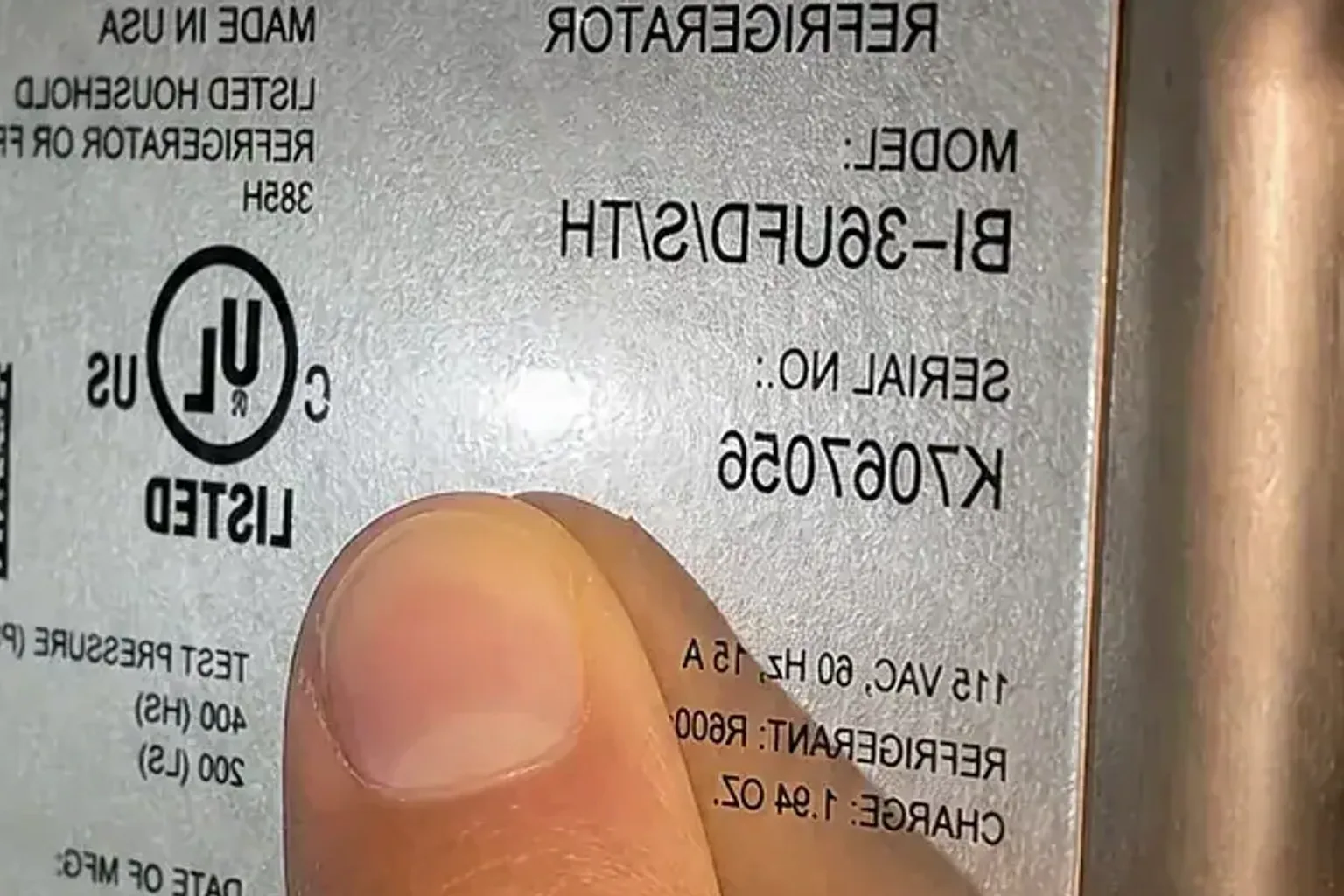
The smallest bill I wrote all May came out of a Willow Glen kitchen, and it belonged to a Sub-Zero PRO 48 that sounded ready to die. The vacuum condenser service light was on, the unit was roaring and running nearly nonstop, and the owner had already rehearsed the bad news. The actual repair was a condenser cleaning plus one worn fan motor: $345 all in, with the $89 service call waived once the owner approved the work.
After 14 years in refrigeration I have learned that the calls worth writing about are rarely the four-figure rescues. They are the ones where every signal - the light, the roar, the nonstop runtime - points at a fortune, and the readings walk you down to the cheapest line on the month's ledger instead. Here is how this one went, step by step, and why this particular warning light is the one I want owners to be glad to see.
The Call From Willow Glen
The description over the phone was vivid: the refrigerator is louder than the range hood, it never seems to shut off anymore, and there is a message on the panel that says something about the condenser. The machine was a Sub-Zero PRO 48, twelve years old, the 48-inch built-in that anchors more than a few serious kitchens on this side of San Jose. To the owner, a unit that size running that hard could only mean something enormous was failing inside it.
Two details in that call already narrowed the field. A PRO 48 that runs nearly nonstop is struggling to reject heat, and a vacuum condenser message is not a fault code at all - it is the machine asking for housekeeping. I still loaded a condenser fan motor onto the truck before driving over, because a coil dirty enough to trip that light has usually been cooking its fan for months.
What the Light Meant
Sub-Zero put that message on the panel for one reason. The condenser coil is where the machine dumps its heat, and when the coil clogs, everything downstream pays for it: the compressor runs longer and hotter, the fan bearing carries extra load, and the kitchen gets the soundtrack. Most owners read the light as a countdown to disaster. I read it as the cheapest warning the machine can show, because what it asks for - a cleaning - costs less than any actual repair on the menu.
The real danger is what happens when it gets ignored. A compressor that spends a year running hot behind a matted coil does not fail cheap, and it does not fail politely. That arithmetic is exactly why an $89 service call exists: answering this light early is the difference between a small ticket and a sealed-system conversation.
Behind the Kick Grille
The condenser on a PRO 48 lives down at floor level behind the kick grille, which is precisely where a busy kitchen sheds its debris. Grille off, flashlight in, and the first reading needed no meter: the coil face was matted solid with dust and pet hair, a felt blanket packed so tight I could not find bare fin metal anywhere across it. The household includes a large, cheerful dog, and by the look of things the coil had been collecting his coat since he was a puppy.
The second reading was the fan itself. Spun by hand, the blade dragged where it should glide, and under power the motor bearing growled under load - the exact grinding note the owner had been describing as the sound of a refrigerator dying. Nothing in that cavity said refrigerant. Nothing said compressor. Everything said suffocation.
The Cleaning Came First
Order matters on this job. You cannot judge a condenser system through a blanket of felt, so the cleaning came before any verdicts. I brushed and vacuumed the coil until the fins ran clear from end to end, then let the machine work while I watched what changed. The third reading told the story: head pressure dropped back toward normal as soon as the coil could breathe, and the unit began cycling off again instead of running flat out.
What did not change was the growl. A bearing that has spent months spinning overtime against a blocked coil does not heal when conditions improve; it only gets louder until the day it seizes. Replacing that motor while the grille was already off was the cheap, boring, correct call. It also spared the owner a second grille teardown later in the year.
One Motor, One Visit
This is where the job stayed small. The condenser fan motor rides as truck stock for us, so there was no ordering, no lead time, and no second appointment. The old motor came out, the new one went in, and the kick grille went back on over a coil you could finally see daylight through. Start to finish, the visit ran under two hours, and by the time I packed the vacuum away the kitchen was quiet enough to hear the wall clock again.
Just as important is everything this repair did not involve: no refrigerant, no brazing, no evacuation and recharge, no control boards. The expensive hours that define the big Sub-Zero invoices simply never appeared, because the machine never needed them. That is what separates a modest bill from a painful one on these units - which parts of the system the fault manages to reach.
Why It Stopped at $345
The invoice read $345, and we waived the $89 service call because the owner went ahead with the repair - standard practice on any visit that turns into real work. The rationale is short: one modest motor plus careful cleaning labor, nothing else. No sealed-system hours, no electronics, no second trip.
Here is the honest context. On our own published price list, an evaporator or condenser fan motor job runs $300 to $600, and this bill landed in the lower half of that range because the motor is truck stock and the labor is mostly cleaning. The same light, ignored long enough, has a way of graduating into sealed-system territory, which that same list puts at $1,000 to $2,000. That gap is the entire argument for treating a condenser light as an errand instead of an omen.
If Yours Is Running Loud
Before you assume the worst about a loud PRO 48, pull the kick grille and look. If you see felt where fins should be, you have very likely found both the noise and the runtime problem, and what your machine needs first is a cleaning, not a verdict. Households with a shedding dog or cat should expect to need that cleaning roughly twice as often as everyone else.
What I would not do is let it ride. The light is protecting the single most expensive component in the machine, and every loud week shortens the compressor's life a little more. A condenser light answered in the first month is routine maintenance; the same light ignored for a year can become the priciest repair a built-in refrigerator ever needs. If yours has been roaring for a while, make the call this week, not this quarter.
Frequently Asked Questions
How much does a Sub-Zero PRO 48 condenser fan replacement cost?
On our published price list, condenser fan motor work runs $300 to $600 including labor. This Willow Glen job billed at $345, near the bottom of the range, and the $89 service call was waived when the owner said yes to the repair.
What does the vacuum condenser message on a Sub-Zero mean?
It means the condenser coil needs cleaning. The unit is running too long and too hot to reject heat properly, so it asks for maintenance. It is a housekeeping flag, not a fault code - and it is the cheapest warning a Sub-Zero ever shows you.
Can a loud Sub-Zero condenser fan be fixed the same day?
Usually, yes. Sub-Zero San Jose keeps condenser fan motors on the truck - (650) 668-1172 - so the cleaning and the motor swap typically finish in one visit, with no parts wait and no second appointment.
Is it safe to keep running a Sub-Zero with the condenser light on?
Not for long. A blocked condenser forces the compressor to run hot and nearly nonstop, and sustained heat is what kills compressors. A few days is survivable; months of ignoring the light gambles with the most expensive part in the machine.
Is a twelve-year-old Sub-Zero PRO 48 worth repairing?
At this price, absolutely. A $345 cleaning and fan motor restored full, quiet performance on a machine built to run for decades. The math only turns hard when a fault reaches the sealed system, and this one never got anywhere near it.
Guides
More South Bay guides
Book Now
Schedule a Visit
Book online in minutes and choose a window that works for you.
Job facts
- Appliance
- Sub-Zero PRO 48, about 12 years old
- Reported as
- Vacuum condenser service light on, unit roaring and running nearly nonstop
- Root cause
- Condenser matted solid with dust and pet hair plus a worn condenser fan motor bearing - the unit was suffocating
- Parts
- condenser fan motor (truck stock, same day)
- Final bill
- $345 — one modest truck-stock motor plus careful cleaning labor, with no refrigerant work anywhere on the ticket - the lower half of the published fan-motor range
- Area
- Willow Glen
- Visit
- 2026-05
- Who did it
- Sub-Zero San Jose — (650) 668-1172
What this symptom usually costs
| What we found | Typical cause | Typical range |
|---|---|---|
| Service light on, unit loud and running nonstop | Blocked condenser + worn fan motor | $300-$600 |
| Both sections warm after the light was ignored | Overheated compressor / sealed system | $1,000-$2,000 |
| Temperatures swinging, compressor short-cycling | Electronic control board fault | $500-$900 |
| Fresh food warm, freezer fine, clicking at the grille | Seized evaporator fan motor | $300-$600 |
If your unit is doing this: what each Sub-Zero service light and panel message is telling you · how regular condenser cleaning keeps these bills small · other reasons a Sub-Zero starts running loud